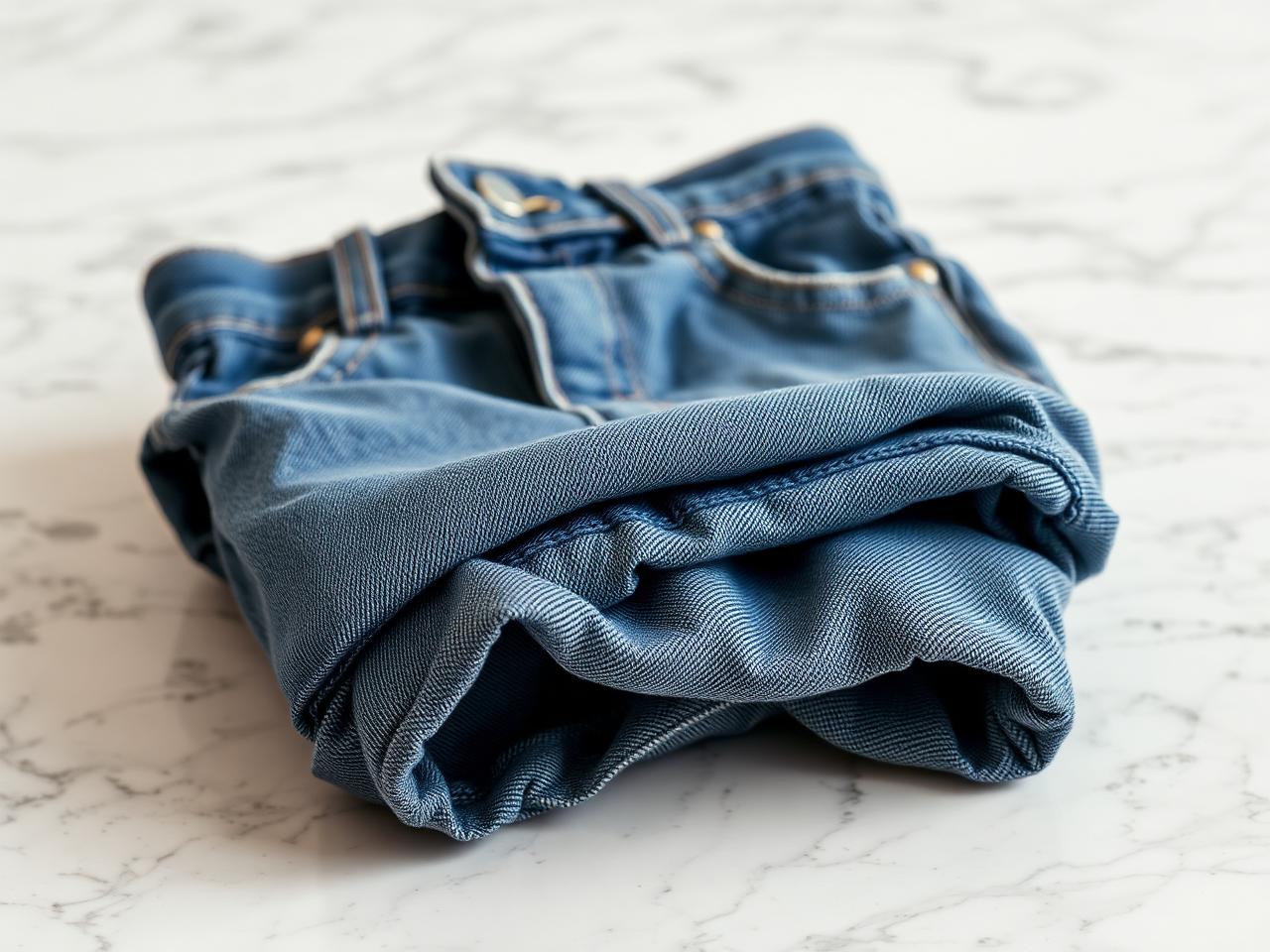
The Rise of Japanese Streetwear
Ura-Harajuku's limited drops invented the release model that the entire streetwear industry now runs on.
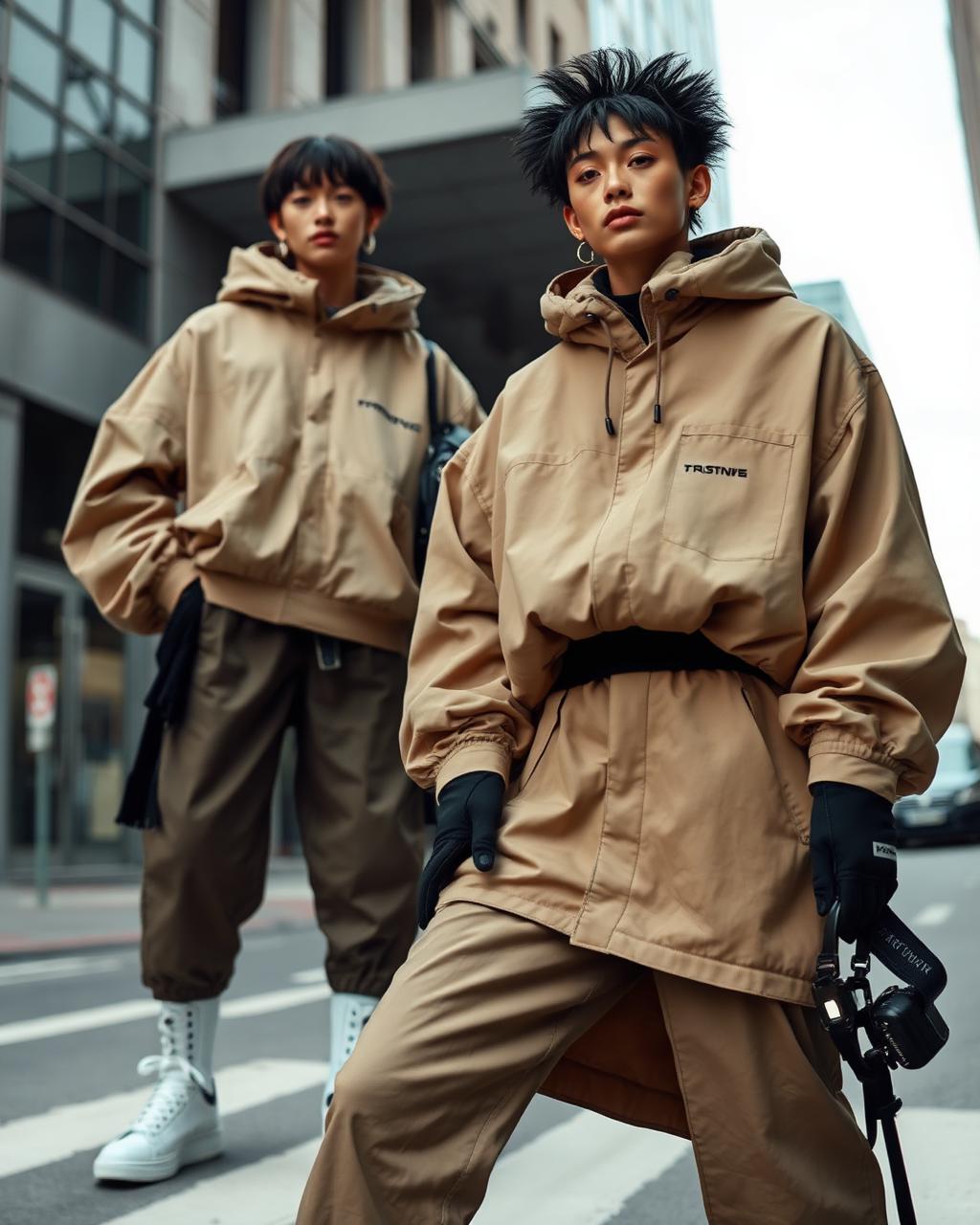
Long before drop culture became a global retail strategy, a handful of small Tokyo shops were already doing it — deliberately, and with tiny quantities.
- Origin
- Japan
- Defining decade
- 2010s
- Worn by
- Harajuku designers, Tokyo record-shop scene, Skate crews
What the trend is
A design culture combining American workwear references, precise Japanese manufacturing and deliberately limited distribution.
When it first appeared
The back streets of Harajuku from the early 1990s, reaching global scale in the 2010s.
Who popularised it
Tokyo designers who ran shops as clubhouses, plus the international collectors and musicians who sought their pieces out.
Why it became popular
Scarcity and craft together. The garments were genuinely well made and genuinely hard to get.
How the trend evolved
From tiny local runs, to global cult labels, to luxury-house collaborations that mainstreamed the entire vocabulary.
Interesting facts
- Some early shops were intentionally unmarked and hard to find.
- Japanese denim mills preserved shuttle looms that Western mills scrapped.
- Vintage American workwear was collected in Japan before it was valued at home.
Timeline of the trend
1993
Ura-Harajuku scene forms around a few small shops.
2003
International collectors drive resale of Tokyo labels.
2014
Luxury houses begin formal streetwear collaborations.
2018
Drop model becomes standard industry practice.
2025
Focus shifts back to craft and repairability.
The modern version
Today the influence shows up as heavyweight fabrics, boxy cuts and quiet branding rather than loud graphics.
Styling tips for today
- 01Buy for fabric weight; it defines how the garment hangs.
- 02One graphic per outfit, maximum.
- 03Mix workwear volumes with a sharp shoe to avoid looking costumed.
Share this article